
Autumn Budget 2026: What It Means for Your Family and Your Business
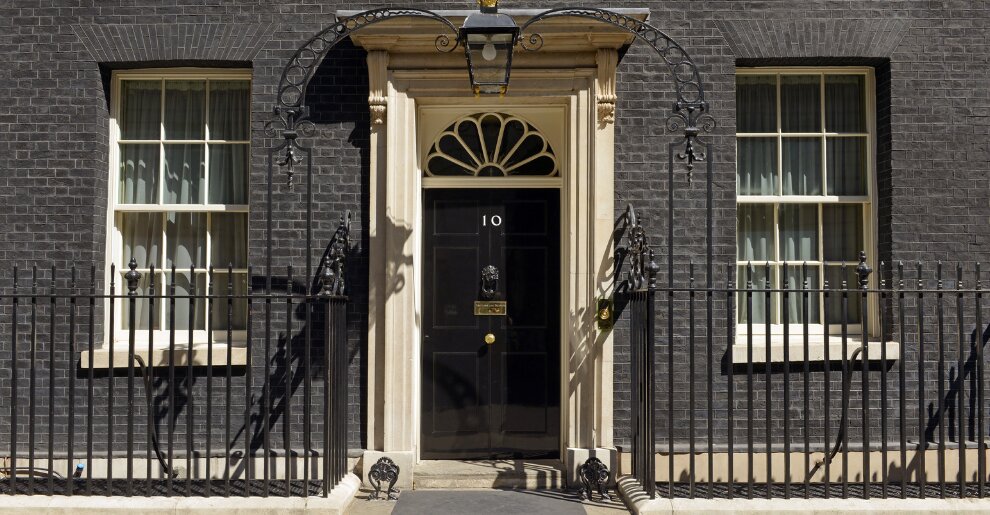
The Chancellor, John Healey, delivered his first Budget on Wednesday 28 October 2026. After weeks of speculation about Capital Gains Tax, Inheritance Tax and pensions, most of the changes that had been talked about did not happen.
A number of measures will still matter if you are planning your estate, run a business or hold property. Below, we set out the main ones from a legal point of view. The detailed tax figures are a conversation for your accountant or financial adviser, and most of what was announced still has to pass through Parliament, so some of the detail may change.
What Did Not Change?
There is some good news. Capital Gains Tax rates stay at 18% and 24%, and the uplift that wipes out gains on death remains. The seven-year rule on gifts is intact, the nil-rate band stays at £325,000 (now frozen until 2031) and the tax-free pension lump sum stays at £268,275. Stamp Duty Land Tax, the headline rates of Income Tax, National Insurance and VAT, and the rates on dividends are all unchanged. There was no wealth tax, and the council tax surcharge on high value homes still starts at £2 million.
For most families, this Budget on its own is not a reason to rewrite your Will. The pressures already in the pipeline remain, though. Pensions come into the Inheritance Tax net from April 2027, and the £2.5 million allowance for Agricultural and Business Property Relief is already in force.
What Has Changed for Individuals and Families?
- Pensions on death. From 28 October 2026, a tax-free pension death benefit no longer becomes taxable simply because it is paid more than two years after the scheme was told of the death. From April 2027, when unused pensions come within Inheritance Tax, your executors will be able to direct the scheme to pay the tax due rather than finding it from the rest of the estate.
- Savings income. The rise already due in April 2027 doubles, taking the rates on savings interest to 24%, 44% and 49%.
- Cash ISAs. The planned £12,000 cap for under-65s has been dropped. The full £20,000 can still be held in cash.
- Trusts with borrowing. For deaths on or after 28 October 2026, new rules restrict when a debt secured on trust property can be deducted for Inheritance Tax. Trustees who have borrowed against trust assets should have the arrangement reviewed.
- Business and Agricultural Property Relief. The £2.5 million allowance stays as it is, with 50% relief above that figure, and the Capital Gains Tax uplift on death remains. Our recent article on the APR and BPR changes explains what to review.
What Has Changed for Business Owners?
This is where the Budget lands hardest. The headline is a cut to the relief most owners rely on when they sell.
Business Asset Disposal Relief is halved
From 6 April 2027, the lifetime limit on gains qualifying for Business Asset Disposal Relief falls from £1 million to £500,000. Gains within the limit are taxed at 18%, and gains above it at the main rate of 24%.
A Simple Example
Imagine you sell your business with a gain of £1 million. Under the current rules the whole gain may qualify for the 18% rate, a bill of around £180,000. From April 2027, the first £500,000 is taxed at 18% (£90,000) and the rest at 24% (£120,000), a total of around £210,000. That is roughly £30,000 more tax on the same sale. The date that counts is usually the date contracts are exchanged, so a sale pencilled in for 2027 or 2028 deserves a closer look now.
A new Founders’ Relief
Also from 6 April 2027, founders of qualifying high-growth companies will pay 10% on up to £10 million of lifetime gains. The conditions are still to be published and the relief looks aimed at start-ups and scale-ups rather than established family businesses. If you are setting up a new venture, the structure you choose now may affect whether you can benefit later.
Other changes for businesses
- A new securities transfer tax replaces stamp duty on shares from late 2027.
- From 29 October 2026, winding up the selling company no longer prevents Stamp Duty Land Tax group relief being clawed back if the buyer leaves the group within three years.
- First-year capital allowances rise from 40% to 50% for spending from January 2027, an incentive to bring forward planned investment.
- Online marketplaces must collect VAT from UK sellers with more than £90,000 of sales through the platform.
- The National Living Wage rises by 3.9% to £13.21 an hour from April 2027.
- The Government will reform non-compete clauses, with the detail to follow. If your contracts rely on post-termination restrictions to protect client relationships or confidential information, have them reviewed.
What About Property?
Stamp Duty Land Tax was left alone, and the changes are targeted rather than wholesale.
- Rental income will be taxed at 24%, 44% and 49% from 6 April 2027. Companies are not affected, which reopens the question of holding a portfolio through a company, although moving existing property into one carries its own Stamp Duty Land Tax and Capital Gains Tax costs.
- Homes worth £2 million or more. The council tax surcharge starts in April 2028 at £2,500 a year, rising to £7,500 above £5 million. The legal owner pays, which matters where a home is held in trust, and a deferral scheme is available for lower income households.
- First-time buyers. A new Your First Home equity loan scheme starts in April 2027, offering a Government loan of up to 20% of the price with a deposit from 2.5%. If you are a parent helping with a deposit, the rules on gifts have not changed.
- Business premises. From April 2027, the threshold for 100% small business rate relief on retail, hospitality and leisure premises in England rises from £12,000 to £18,000 of rateable value, welcome news for many of the high street businesses we act for, including independent pharmacies.
- Land sold to housing associations. From 1 April 2027, land sold to registered social housing providers is zero-rated for VAT at any stage of development. Anyone part-way through such a sale should take advice on the timetable.
What Should You Do Now?
None of this calls for a rushed decision. Most of the measures take effect in April 2027 or later, which leaves time to plan but not to delay.
- Read your Will and check your pension nomination. From April 2027 the two need to work together, and a Will written before April 2026 predates both the Business Property Relief and the pensions changes.
- If you own a business, look at your exit timetable. The halving of Business Asset Disposal Relief makes the timing of any sale a live question, and your Will, shareholders’ agreement and articles should all say the same thing about your shares.
- If you employ staff, review your contracts for the wage increase and any reliance on non-compete clauses.
- If you are a landlord, run the numbers on structure before deciding anything. The cost of getting into a company is usually where the answer lies.
- If you are a trustee, review any borrowing against trust assets in light of the new rules.
- Put Lasting Powers of Attorney in place. This Budget, like every Budget, said nothing about them, and they remain the documents most often missing when a family needs them.
The Bottom Line
The Autumn Budget 2026 did far less than many people feared. For most families, nothing needs to change straight away, although the pressures building towards April 2027 have not gone away. For business owners, the halving of Business Asset Disposal Relief is the measure that matters most, and timing is now part of any decision to sell. As always, the detail will matter more than the headlines, and taking advice early gives you the widest range of options.
At Bowling & Co Solicitors, our Private Client team and Corporate and Commercial team can help you review your Will, your succession planning, your business structure and your Inheritance Tax position to ensure your arrangements remain fit for purpose under the new rules.
Speak to Our Team
We work with individuals, families and businesses in London and beyond, and alongside your accountant or financial adviser, so that the legal and tax pictures fit together.
Call 020 8221 8000, email info@bowlinglaw.co.uk or get in touch online. We will talk you through your options and take the pressure off. You can also find out more about our private client and lifetime planning, corporate and commercial, commercial property and residential property services.
This article is for general information only and does not constitute legal or tax advice. The measures described were announced on 28 October 2026 and remain subject
