
The Biggest Changes to Wills in Nearly 200 Years: What Could Be Coming?
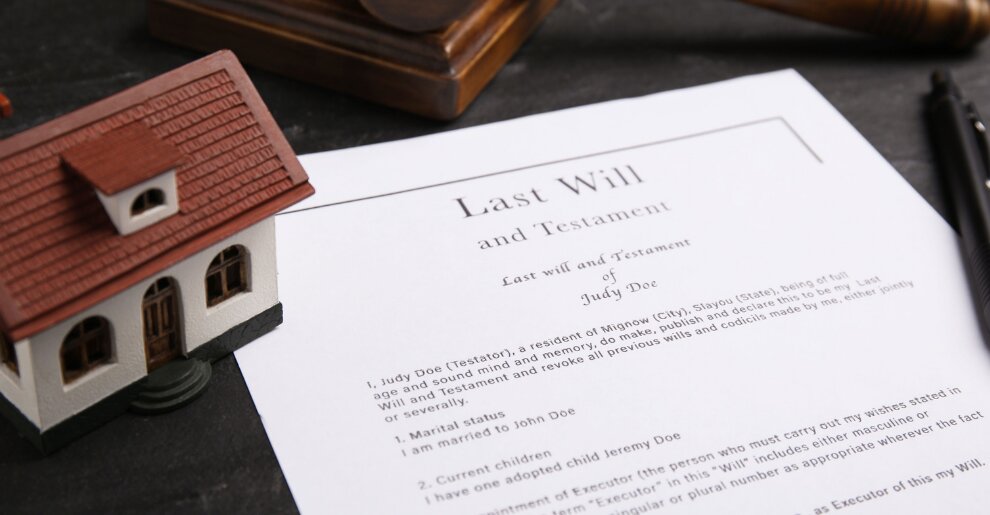
The law that governs Wills in England and Wales is based largely on the Wills Act 1837. That’s right, the main legislation dealing with Wills was introduced during the reign of Queen Victoria and has remained largely unchanged ever since.
The Law Commission has recently recommended a series of reforms designed to bring Will-making into the modern age. While these are currently proposals rather than law, they could represent the biggest changes to Wills in almost 200 years.
Why Is Reform Being Proposed?
Life today is very different from 1837.
People are living longer, family structures are often more complex, and technology plays a far greater role in our daily lives. The Law Commission believes the current law should be updated to reflect modern society and make it easier for people’s genuine wishes to be followed.
- Electronic Wills Could Become Legal
One of the most talked-about proposals is the introduction of electronic Wills.
Currently, a Will must generally be signed on paper in the presence of two witnesses. The Law Commission is proposing that electronic Wills should be permitted, provided there are appropriate safeguards to protect against fraud and ensure authenticity.
This could make making and storing a Will much more convenient in the future.
- Marriage Would No Longer Automatically Cancel a Will
Many people are surprised to learn that, at present, getting married or entering into a civil partnership usually revokes an existing Will.
This means that someone who marries and does not make a new Will afterwards may unknowingly die without a valid Will in place.
The Law Commission has recommended abolishing this rule, partly to help prevent so-called “predatory marriages”, where vulnerable individuals are persuaded into marriage for financial gain.
- Courts Could Have More Flexibility
Under the current law, if a Will does not meet strict legal requirements, it may be invalid, even if it is clear what the deceased wanted.
The proposed reforms would allow courts greater power to recognise a person’s wishes where there is clear evidence of their intentions, even if all the formal requirements have not been met. For example, certain documents or recordings could potentially be recognised in limited circumstances.
- The Minimum Age for Making a Will Could Fall
Currently, most people must be 18 years old to make a valid Will.
The Law Commission has recommended reducing the minimum age to 16, giving younger people greater ability to make decisions about what happens to their assets after death.
- New Rules Around Mental Capacity
The reforms also propose modernising the legal test used to assess whether someone has the mental capacity to make a Will.
This is particularly important as people are living longer and conditions such as dementia are becoming more common. The aim is to provide greater clarity for families, solicitors and medical professionals.
What Does This Mean For You?
At present, the proposed changes are not yet law. The Government will decide whether to adopt some or all of the recommendations.
However, the proposals highlight an important message:
Having an up-to-date Will remains one of the most important steps you can take to protect your loved ones.
Whether the law changes or not, regularly reviewing your Will can help ensure that your wishes are clearly recorded and that your estate passes to the people you intend.
The Bottom Line
The Law Commission’s proposals aim to make Will-making simpler, safer and more suited to modern life. From electronic Wills to stronger protections for vulnerable people, the reforms could significantly change how Wills are made and challenged in the future.
For now, the existing rules still apply, but anyone who already has a Will, or is thinking about making one, should keep an eye on these developments.
Speak to Our Private Client Team
The Law Commission’s proposals may be some way from becoming law, but the message behind them applies today: a clear, valid and up-to-date Will is the surest way to make sure your wishes are followed. If your circumstances have changed since you last reviewed your Will, or you have never made one, now is a good time to put that right.
Whether you are making a Will for the first time, updating an existing one after a marriage, a divorce or a new addition to the family, or you are concerned about a vulnerable relative, our team would be pleased to help.
Call 020 8221 8000, email info@bowlinglaw.co.uk or get in touch online. We will talk you through your options and take the pressure off. You can also find out more about our private client and lifetime planning services.
This is not legal advice; it is intended to provide information of general interest about current legal issues.
